

Property & Home Watch · Small landlords
After the writ: the first days back in a South Florida rental
Most eviction guides stop at the court order. The landlord’s real work starts the day the sheriff restores possession: changing the locks, dealing with what was left behind, documenting the condition and getting the unit ready to rent again.
By Pinnacle Management Ventures · · 3 min read
The short version
- Possession comes back through the sheriff, after a 24-hour notice is posted on the property. Until then, Florida law prohibits self-help, such as changing the locks or removing a tenant’s belongings.
- When the writ is executed, or after, the landlord may remove personal property left on the premises to or near the property line, and the law limits the landlord’s liability for it after removal.
- Have a locksmith ready for the moment possession is restored, and change every lock, gate code and garage remote.
- Photograph and video the whole unit before anything is touched. It is your record for the security deposit and any damage claim.
- Then turn it over in order: trash-out, repairs, cleaning, and a final walk-through.
How possession comes back
Your eviction attorney or the clerk will tell you when the writ is issued. Coordinate the day with the sheriff’s office, and plan to be there, or to have someone there for you, when possession is restored.
The day possession is restored
Have ready
- A locksmith scheduled for the same time, for every exterior door
- New codes for gates, garage keypads and any smart locks, and the old remotes collected or deactivated
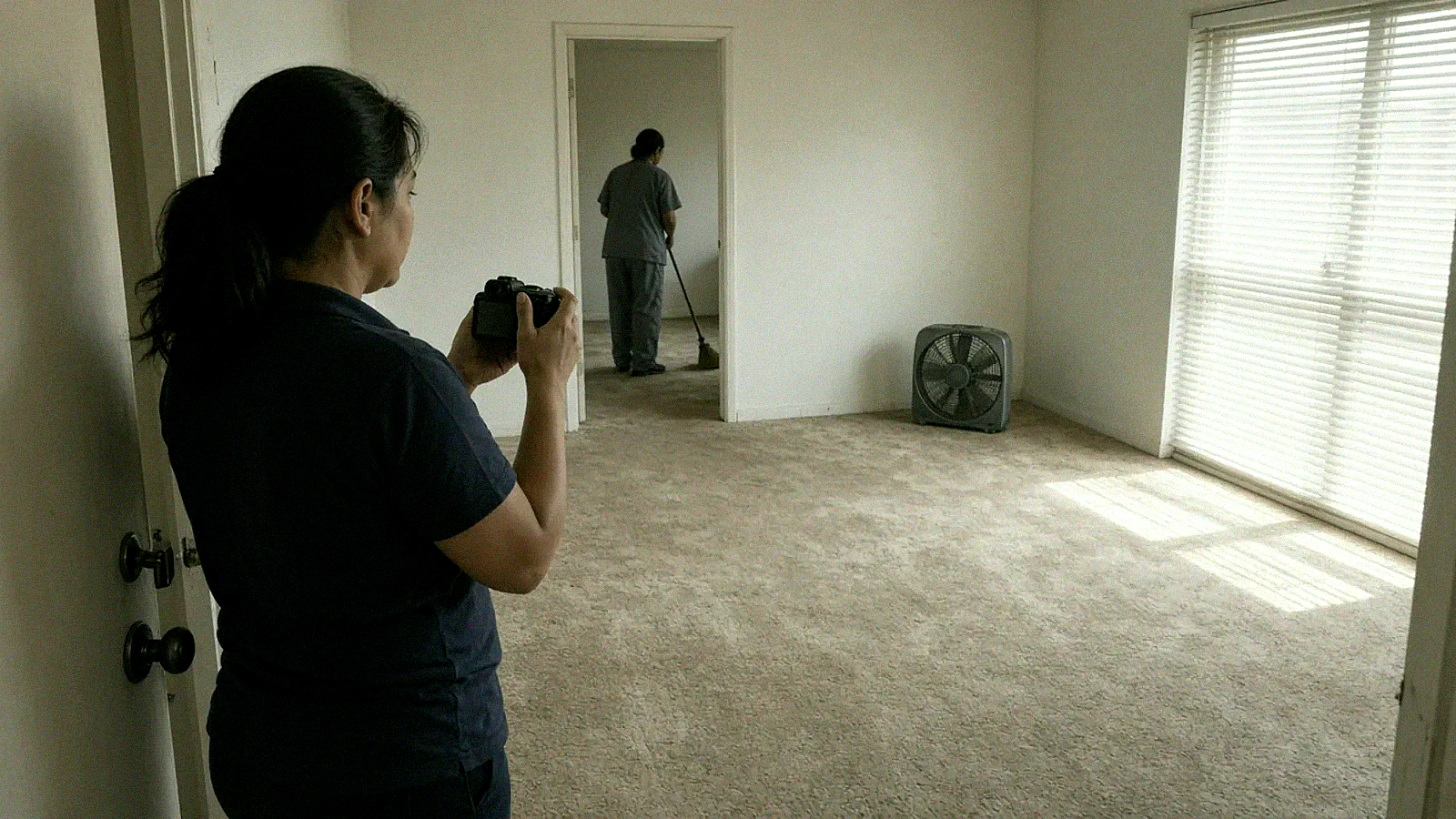
- Someone to photograph and video the unit before anything is moved
- A plan and a crew for any belongings left behind
- Utilities in the landlord’s name, or a plan to transfer them
Check your city and association rules before putting belongings at the curb. Many South Florida cities and associations have rules about when bulk items may be put out and where, and a pile left for days can bring a code notice.
Document the condition first
Before any trash-out, cleaning or repair, record the unit exactly as it was left. This is the evidence for any claim against the security deposit and any damage beyond it.
- A video walk-through of every room, closet and the outside
- Wide photos of each room, then close-ups of each piece of damage
- Appliances, fixtures and anything that was in the unit at move-in
- Meter readings, if utilities are separately metered
- Your move-in photos or inspection, for side-by-side comparison
The turnover, in order
- Trash-out: remove what was left behind and any debris.
- Pest treatment, if needed, before anything else goes in.
- Repairs: walls, doors, flooring, fixtures and appliances, with before and after photos.
- A move-in-ready clean: inside cabinets and appliances, bathrooms, floors, windows and tracks.
- Rekey check: confirm every lock and code was changed.
- A final walk-through with photos, as the new move-in condition record.
Keep every invoice and receipt with the photos. If the former tenant owes for damage, this is the file your attorney will ask for.
This is general information about Florida landlord-tenant law as of the date above, not legal advice. Evictions have strict procedures; work with a Florida attorney. Pinnacle coordinates the property side of a turnover; it does not provide legal services.
Sources
Checked October 21, 2026. Rules change; the official page is the final word.